
The Maldives is widely regarded as one of the world’s premier scuba diving destinations. With its crystal-clear waters, vibrant coral reefs, and abundant pelagic life, it offers unforgettable underwater experiences. While most visitors explore these waters using open-circuit scuba, a growing number of technical and experienced divers are turning to Closed-Circuit Rebreather (CCR) diving to unlock a deeper, quieter, and more immersive side of the Maldivian underwater world.
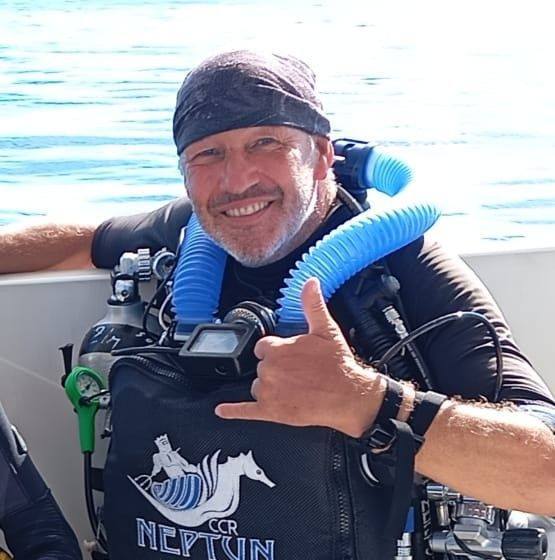
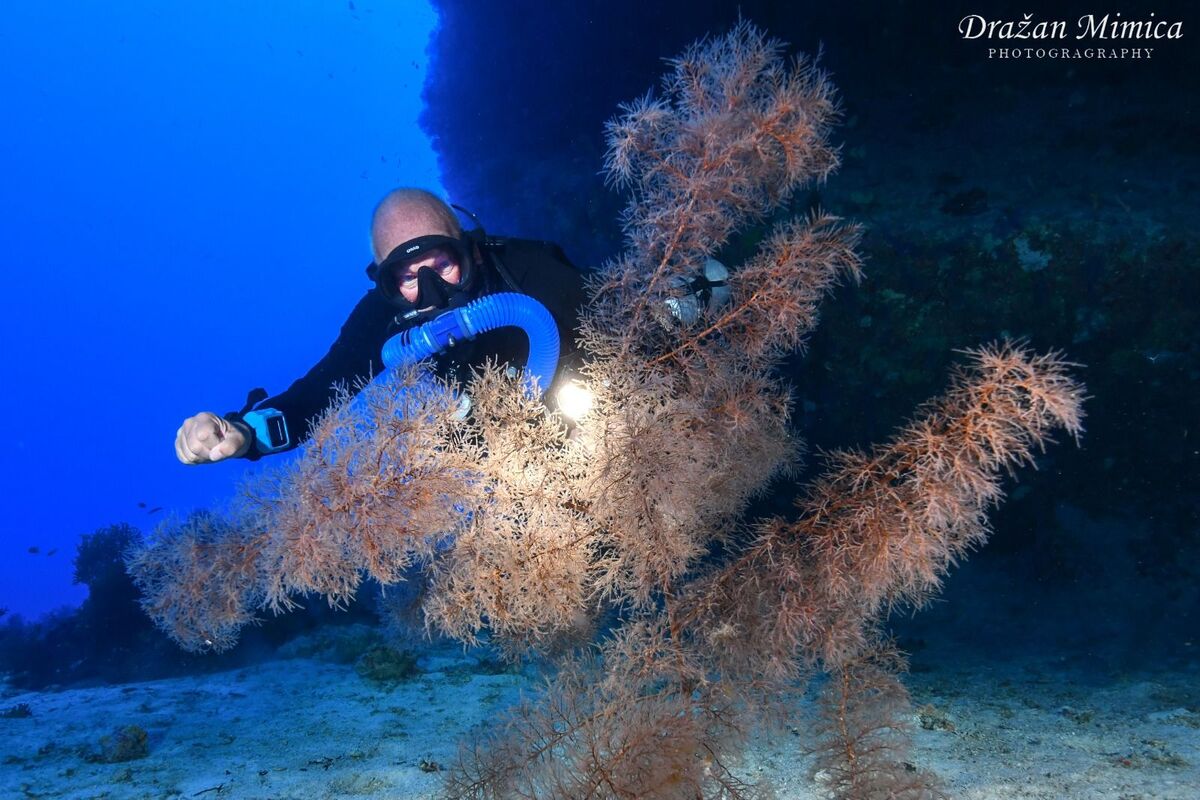
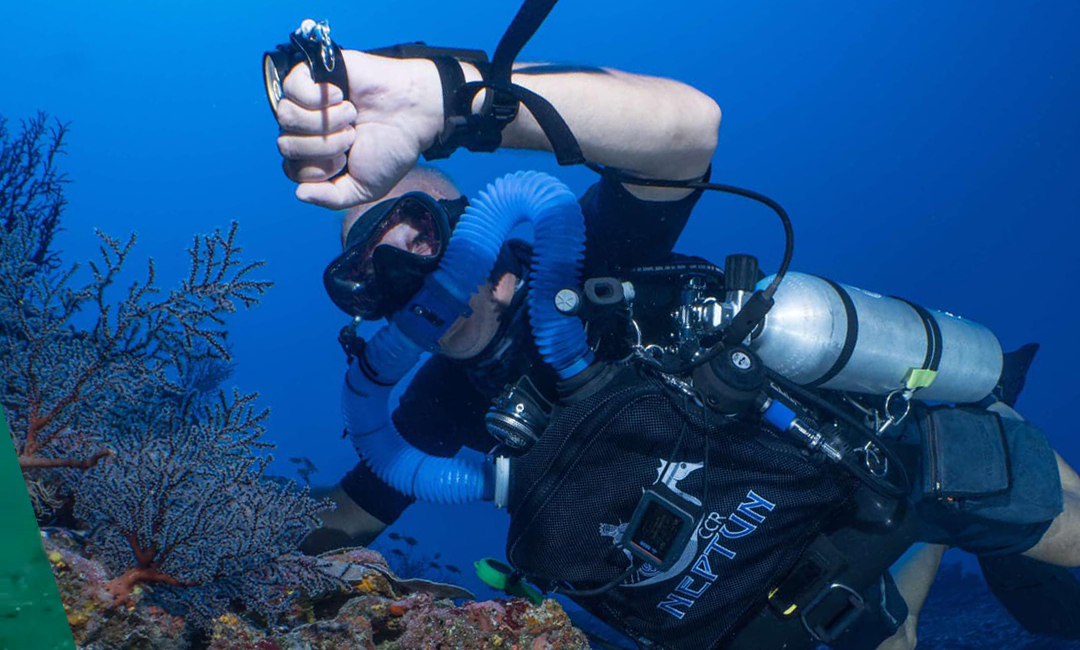
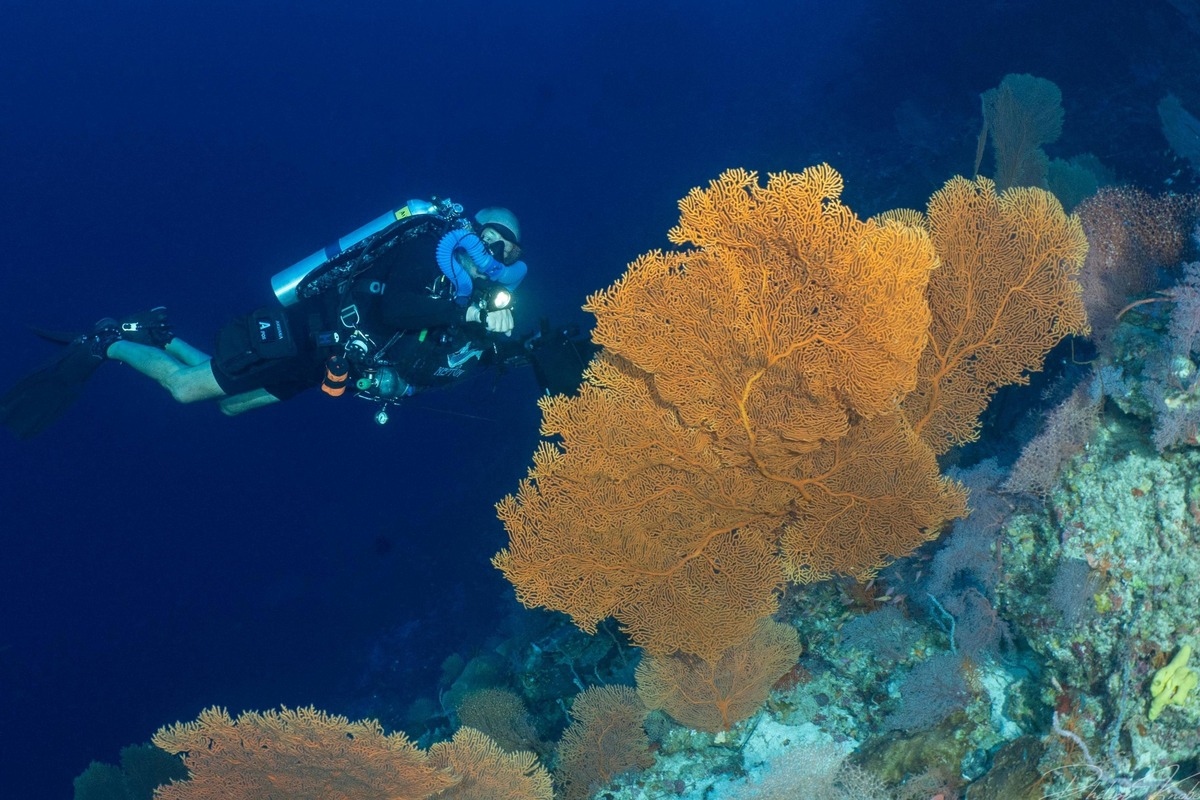
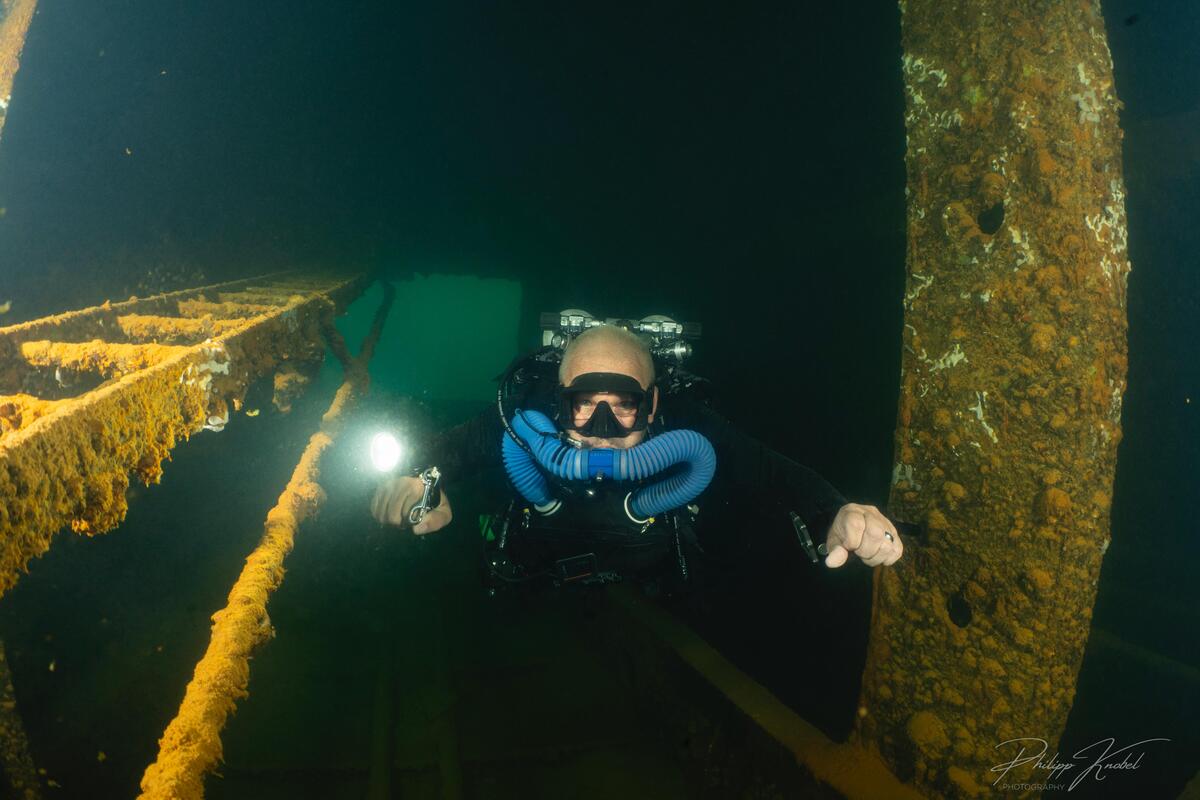
Closed-Circuit Rebreathers recycle a diver’s exhaled gas, removing carbon dioxide and adding oxygen to maintain a breathable mix. Unlike traditional open-circuit scuba systems that release bubbles with every exhale, CCR systems produce minimal bubbles. This not only extends dive times significantly but also allows divers to approach marine life without startling it. In a destination like the Maldives—famous for encounters with manta rays, whale sharks, and schooling sharks—this quiet approach can dramatically enhance wildlife interactions.
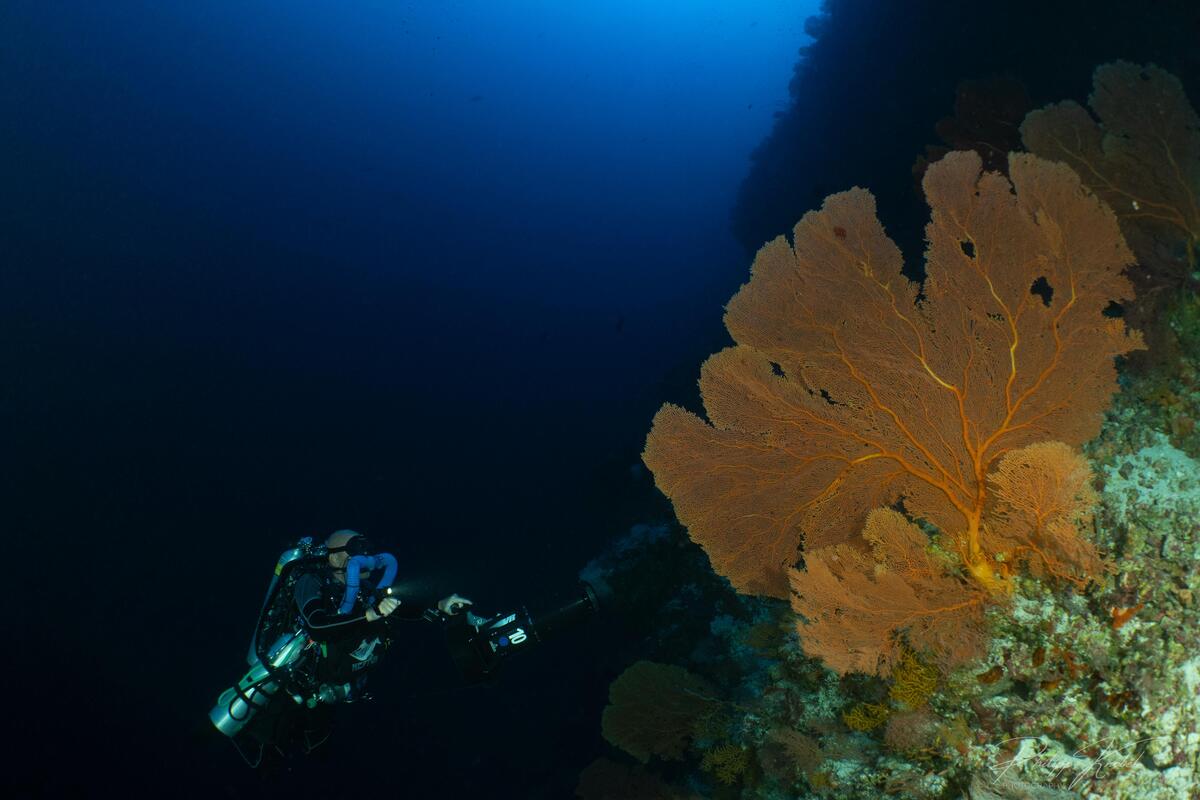
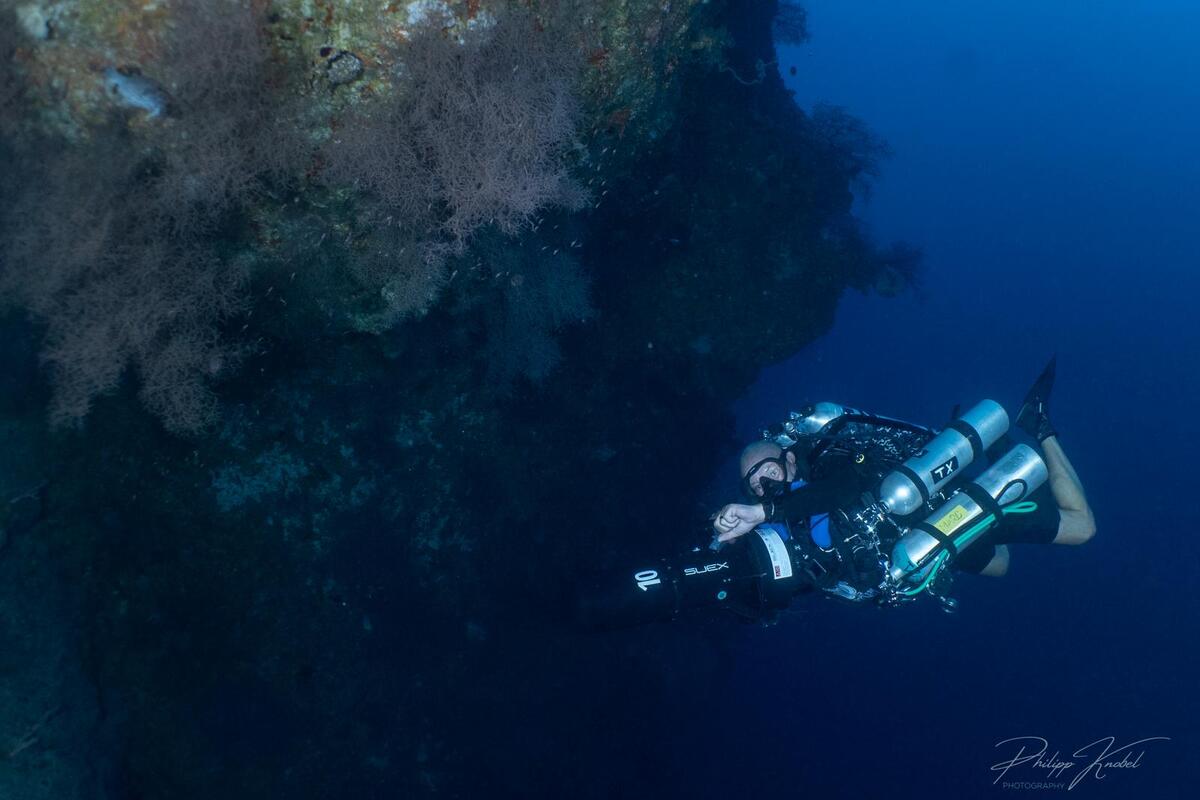
The Maldives consists of 26 atolls spread across the Indian Ocean, creating channels, thilas (submerged pinnacles), and deep walls that are perfectly suited for advanced diving techniques. Strong currents in channels such as those in Addu Atoll and Fuvahmulah attract pelagic species, including tiger sharks, oceanic and reef manta rays, and hammerheads. CCR divers benefit particularly in these environments because they can maintain optimal gas mixes for deeper or longer dives while minimizing decompression stress.
Additionally, CCR technology allows divers to maintain a constant partial pressure of oxygen (PPO₂), optimizing decompression efficiency. This is especially valuable in the Maldives, where many dive sites involve drift diving and multilevel profiles along reef walls and channels.
One of the most compelling advantages of CCR diving in the Maldives is the enhanced marine life experience. The absence of noisy exhaust bubbles makes divers less intrusive. Species such as manta rays—commonly seen in cleaning stations in areas like in Addu Atoll—often appear more relaxed around rebreather divers. Sharks and Eagle rays cruising through channels may approach more closely, offering rare photographic opportunities.
Underwater photographers, in particular, value CCR systems for this reason. Extended bottom times and stable buoyancy control allow for careful composition and patient observation, resulting in higher-quality imagery.
CCR diving is not for beginners. It requires specialized training, meticulous equipment maintenance, and a disciplined mindset. Divers visiting the Maldives for CCR expeditions typically hold advanced certifications and experience in decompression and mixed-gas diving. Just a handful dive centers in Maldive cater specifically to technical divers, providing onboard oxygen supplies, sorb materials, and dedicated setup areas.
Because of the Maldives’ remote geography, preparation is essential. Spare parts, bailout cylinders, and proper logistical planning are crucial to ensure safe operations during multi-day trips far from hyperbaric facilities.
The Maldives faces environmental challenges, including coral bleaching and climate change impacts. CCR diving, by reducing gas consumption and limiting noise disturbance, can be seen as a more environmentally conscious approach when practiced responsibly. Technical divers are often strong advocates for marine conservation, supporting sustainable tourism initiatives and reef protection programs.
CCR rebreather diving in the Maldives represents the pinnacle of underwater exploration for experienced divers. Combining advanced technology with one of the planet’s richest marine ecosystems creates an unparalleled diving experience. The silence, extended dive times, and close marine encounters transform each descent into a deeply immersive journey. For those properly trained and prepared, CCR diving offers a unique way to explore the breathtaking underwater world of the Maldives—quietly, efficiently, and respectfully.
TDI & PADI Instructor Trainer






Maldives Technical Diving © 2026 | Legal Notice | Privacy Policy